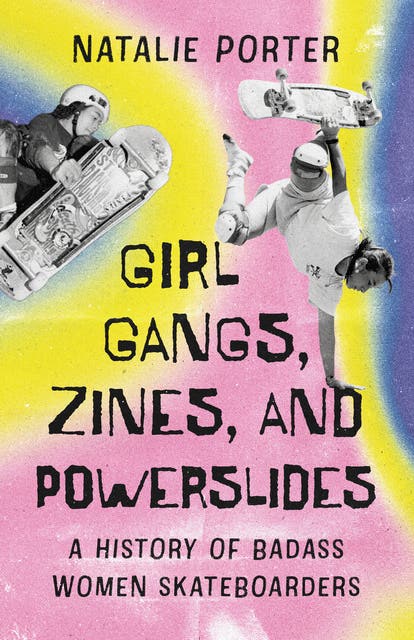
Synopsis: With enthusiasm and empathy, Girl Gangs, Zines, and Powerslides celebrates the relentless participation of women in skateboarding from the 1960s onward who defied a hostile industry to carve out their own space through underground networks. Skater librarian Natalie Porter presents interviews and meticulous research, including the DIY zines created by female and non-binary skaters as a means of communication, to expose this unacknowledged story while offering a personal narrative about the importance of community-building and validation, with or without your own video game.
Girl Gangs, Zines, and Powerslides disrupts the image of skateboarding as an exclusive male domain, offering historical context for the seemingly rapid progress of female skaters today seen competing on the Olympic stage. Discover how the collective action of a grassroots movement in the 1980s established meaningful change, building a foundation that has led to greater inclusion and diversity, which has inspired women, girls, and non-binary youth worldwide to roll on a skateboard for the first time or rediscover their youthful obsession as an adult and feel inspired to drop once again.
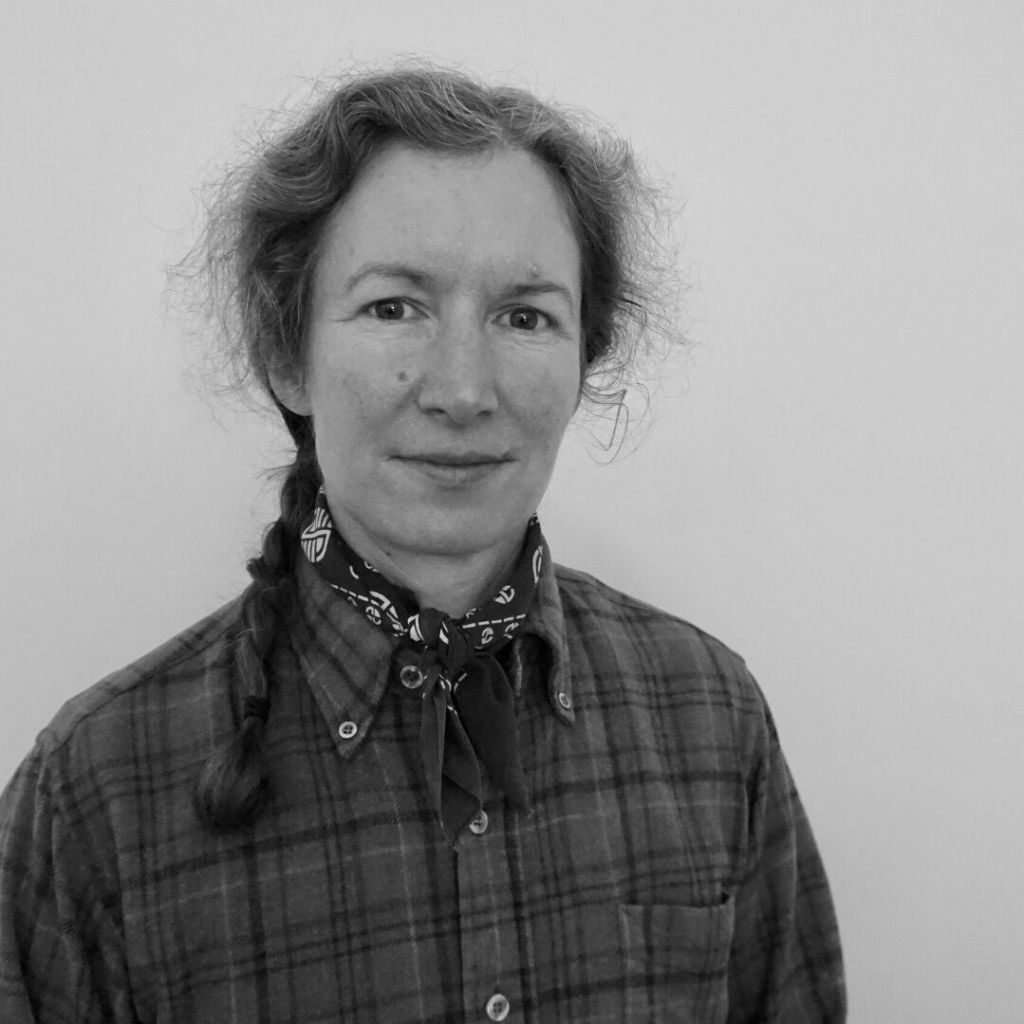
Author: Natalie Porter began skateboarding in 1995 and is the founder of the Womxn Skateboard History Archive. Natalie is a subject expert for the Smithsonian Museum, a columnist for Closer Skateboarding magazine, and was interviewed for the May 2025 issue of Thrasher magazine. Natalie became a librarian in 2009 and works for the British Columbia Library Association. You can view her archival work on Instagram @womxnsk8history and womxnskatehistory.ca.
This year, I have gone into a deep nose dive into reading about zines—how to make them, the history of them, and my special interest—skating. Specifically roller skating but I like skateboarding too. Skateboarding is more popular so I see more books and zines about that.
I’ve had Girl Gangs, Zines, and Powerslides in my bookmarks for months, waiting until its release in September 2025. I ordered it from my favorite independent bookstore and had my friend pick it up for me and bring it to me when we had dinner together later that night. I thumbed through the book and felt a dumbfound surprise when I realized the book was an actual book! With tiny text that I could tell that was full of details. With only a few pictures.
From the past few zine books I’ve read over the year, most of the pages are full of pictures and some text. This book was mostly text. And I could tell that Natalie had a lot to say—this was not going to be a light read. This was going to be a slow read like All In by Billie Jean King.
I took it easy and started with a chapter a day. I did that for a week, missed a day, made it up and read two chapters, and excitedly finished the rest of the book last night. The momentum really picked up when Natalie wrote that she got to keep a few historical pieces in her collection or in her home or office. Reading that allowed me to imagine what my life could be like.
Natalie personally walks us through the history of her skate journey. Understanding her makes it easier to understand her work and her why. She warns us that she will not be going in chronological order, which makes sense. History is not chronological. It doesn’t happen perfectly and neatly. And sometimes discovering new things make old things make more sense.
I read that she had some initial doubt about writing in first person but I think that makes perfect sense for her. As someone who loves details and the backstory of how something is created, I’m not left with as many questions because Natalie never left anything unsaid. At least major details. Some personal details about some of the skaters were not mentioned, and I respect that.
The book goes into a deep dive of women skateboarding history starting in the 1960’s, when the skateboard was invented (thanks to roller skating!). Natalie shares that women have always been skateboarding and have always been willing to put themselves at risk for the love of the game. And there have always been queer and trans skaters, even if they didn’t realize it immediately.
She talks about how skateboarding was initially gender inclusive and there seems to be a gap in history where it’s changed. She emphasized the importance of competitions and sponsorships (at least in this day and age of current capitalism). She also emphasized the importance of women representation in skate media, because if women didn’t see themselves doing it, then their chances of participating were little to none. They would continue to be standbys and supporters.
She talks about the deep biases in skating that still happen today. The hate comments on women’s skate clips, the horrible scheduling for women’s sections in skate competitions, the men skating and heckling during their warm up sections and performances, etc. The constant overstepping and belittling that happens today—in skateboarding, in roller skating, in inlining and many more if not all sports sectors.
I really appreciated the historical aspect of the book. It gave a lot of insight into the cultural context of the sacrifices that had to be made back then and shaped today’s world. I appreciate Natalie taking out the time to explain the importance of certain parts of skate park culture, such as a hype team. My friend, Noa, is trying to give me that experience with other skaters in a time period where I’m more independent right now.
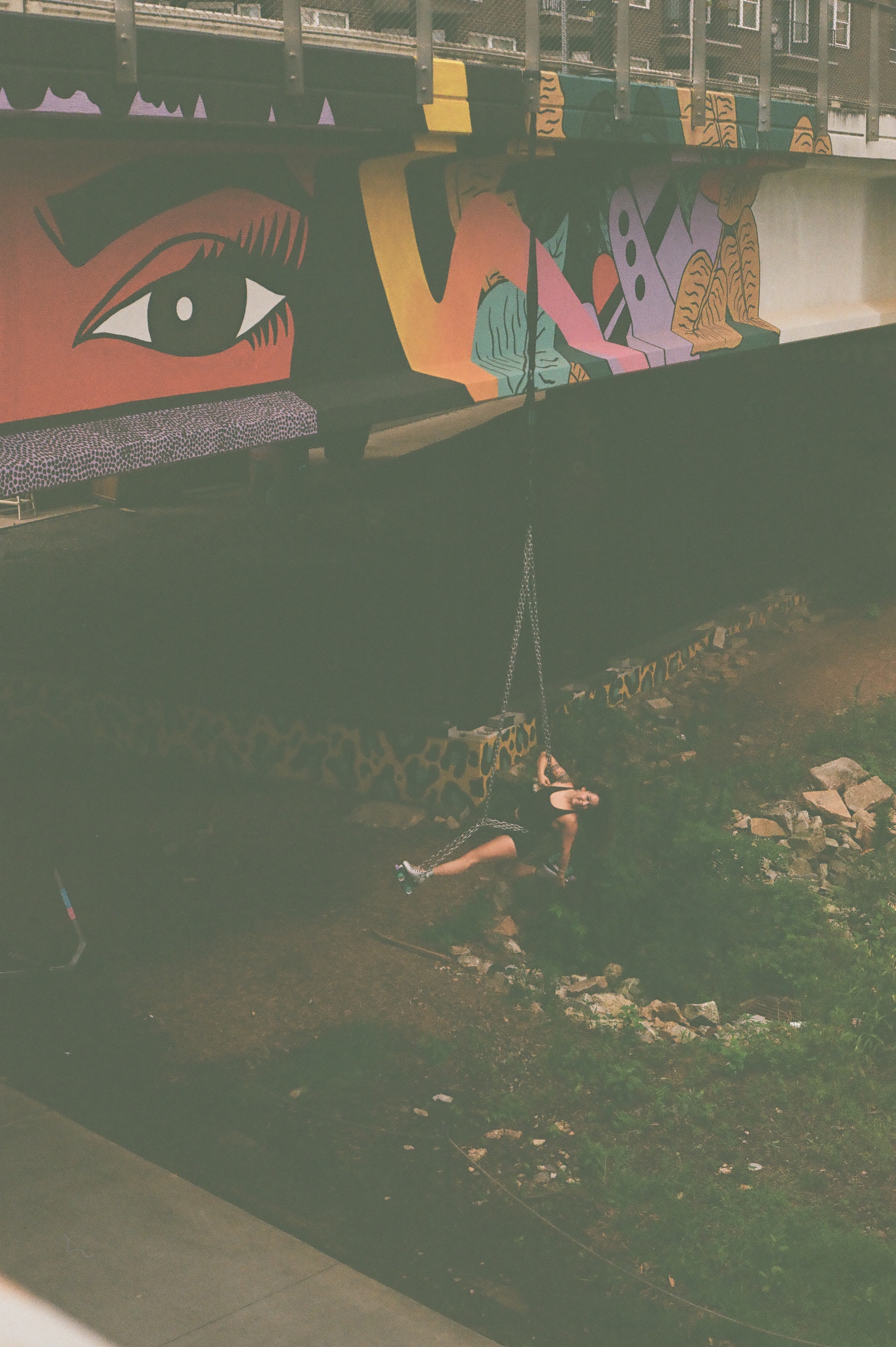
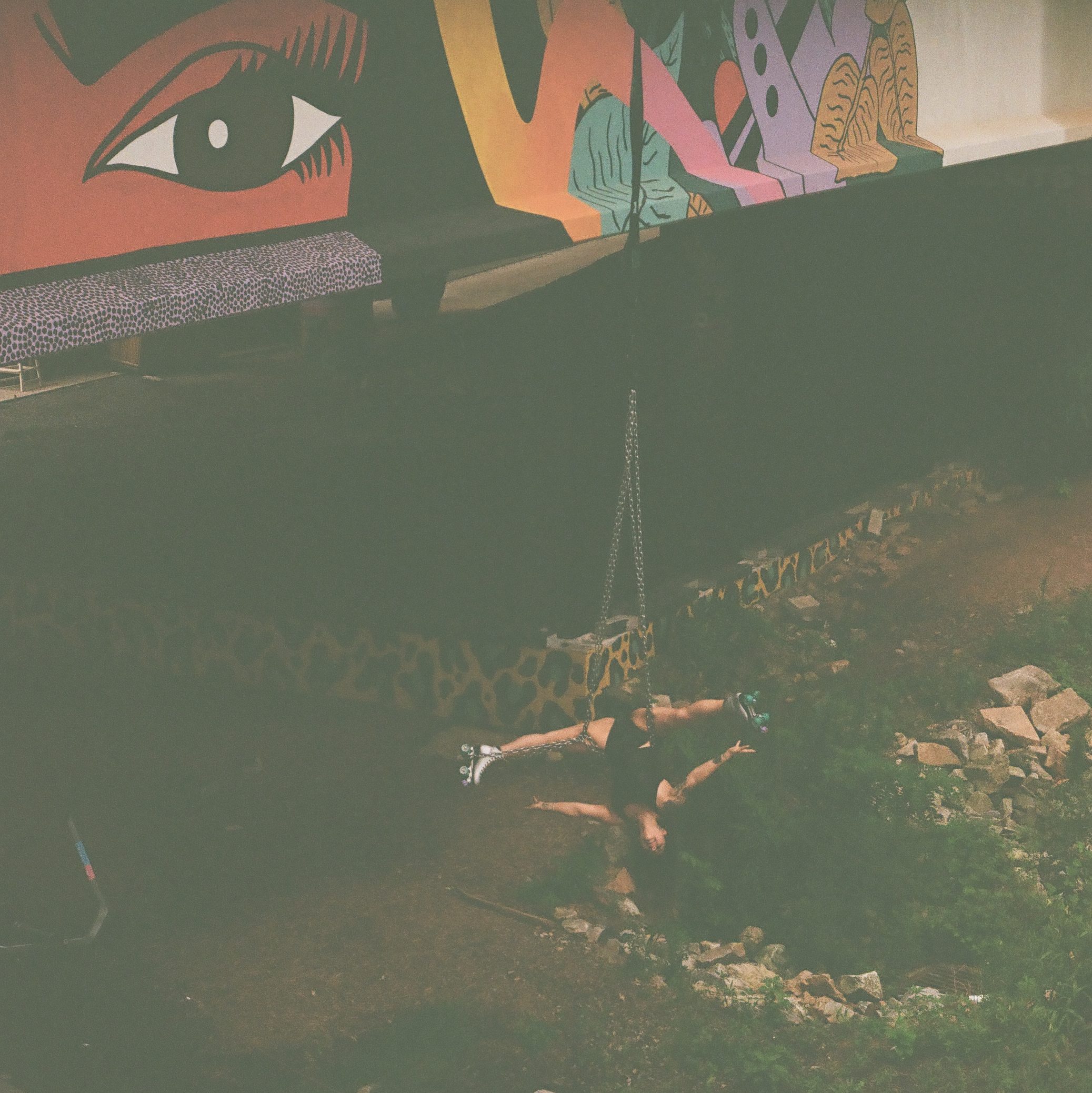
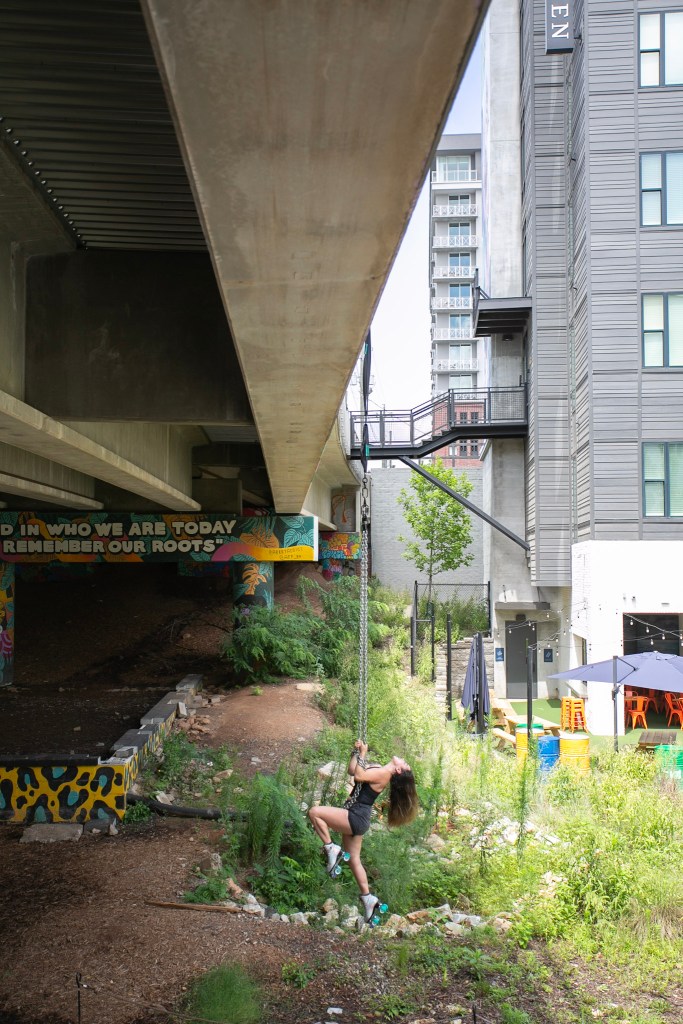
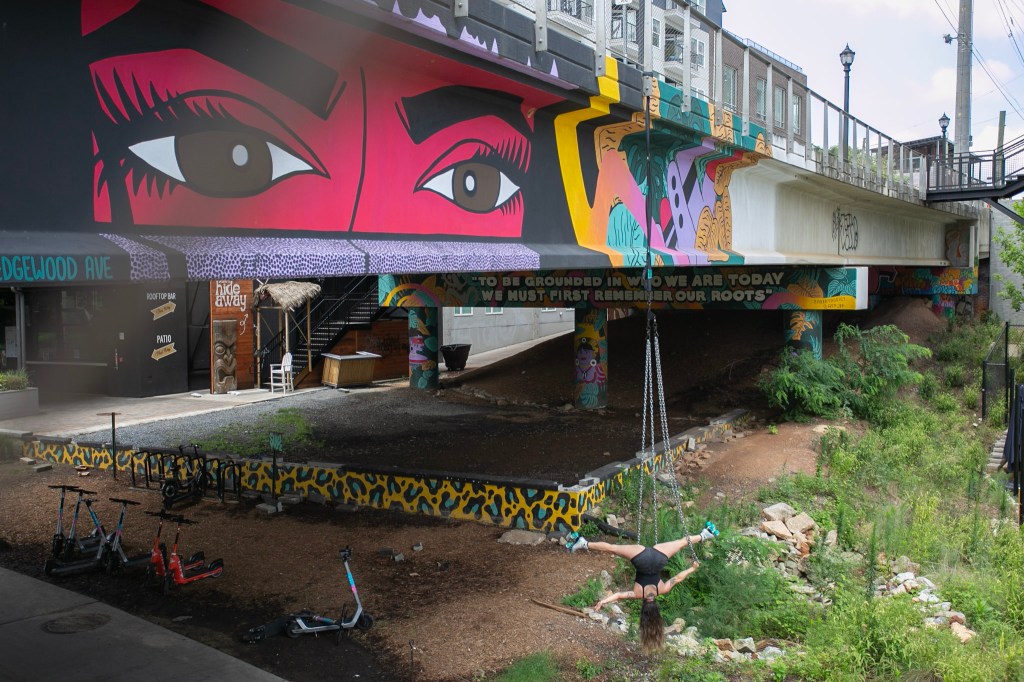
Natalie reminded me of the importance of my work—as a skater, as a photographer, as a zinster and more. The work wasn’t just work, it’s power. It’s something that not everyone has so don’t take it for granted.
I wish that there were a few more pictures—not just because I’m lazy! But because it was hard to remember and identify each and every skater mentioned in the book. I did not look up every name I read in the book. However, I do understand if there were some constraints that made it not possible to do that.
I also wish that there were more trigger warnings in the book because it covers multiple forms of sexual violence against women and children. There were trigger warnings but I don’t think there were enough. There are enough mentioned that I would suggest putting it in the front of the book or in the front pages.
I could tell that Natalie had high standards and was very hard on herself. She was also very determined and stubborn—and you have to be, as a skater. Her relentlessness was inspiring. She was always willing to work hard and be respectful with finding answers at the same time. She heavily identifies as a librarian (as she should, she worked hard to get her education and build up her career). But I would consider her a journalist too—building a website, finding sources, conducting interviews, etc.
She even said something that taught me something: You can’t solely rely on interviews as a source. And that’s true! There has to be other sources for fact checking even if it’s hard to find. History is ever changing as more details get unveiled.
Natalie is someone with no ego. She is always sharing and amplifying other skaters’ stories. She doesn’t care if you’re the best or the “worst,” just as long as you love skating. The love builds the culture, not necessarily the skill.
Reading her work, I could see where my life could go. And I admire Natalie for sticking to her ground in a world of short form content. In a world that tells you that it’s “not that deep.” She wrote that one day that she will include more pictures in a coffee table book style. And I look forward to it. The work is ongoing and imperfect. History will always have gaps but I could definitely see Natalie writing multiple volumes and editions on women skateboarding.
You can get a copy of Girl Gangs, Zines, and Powerslides: A History of Badass Women Skateboarders directly from the publisher, request it from your local library, or check its availability at your local indie bookstore.
You can view Natalie’s archival work on Instagram @womxnsk8history and womxnskatehistory.ca.





 POINT OF VOU